
Table of Contents
-
Introduction: Why the World Is Changing Faster Than Ever
-
The 2030 Turning Point: Global Shifts Reshaping Skills
-
How Technology Is Redefining Human Skills
-
The Most Important Skills You Need Before 2030
-
-
AI Literacy & Human–Machine Collaboration
-
-
-
Advanced Digital Skills
-
-
-
Creativity & Innovation
-
-
-
Critical Thinking & Complex Problem-Solving
-
-
-
Emotional Intelligence
-
-
-
Adaptability & Continuous Learning
-
-
-
Global Communication & Cultural Intelligence
-
-
-
Data Literacy & Statistical Thinking
-
-
-
Cybersecurity Awareness
-
-
-
Leadership in Hybrid & AI-Augmented Teams
-
-
-
Entrepreneurial & Growth Mindset
-
-
-
Future Industries That Demand These Skills
-
Step-by-Step Plan to Build These Skills
-
Real-World Examples & Case Studies
-
Tools, Websites & Certifications to Learn Each Skill
-
Frequently Asked Questions
-
Conclusion
-
External Resources
Introduction: Why the World Is Changing Faster Than Ever
The world is accelerating into an era defined by automation, artificial intelligence, biotechnology, space innovation, global digital markets, and extreme interconnectedness. What took centuries to change before now changes within a decade. The period leading up to 2030 is especially significant because nearly every major global system is transforming simultaneously — the economy, education, technology, job markets, and even social behavior.
By 2030, over 800 million jobs will be influenced by automation, but millions of new opportunities will also be created for people who upgrade their skills today.
This comprehensive 8000-word guide will walk you through every future-proof skill you must master to stay relevant, competitive, and globally employable.
The 2030 Turning Point: Global Shifts Reshaping Skills
2030 will not just be another year; it will be a global milestone.
Here’s why:
-
AI adoption will reach mainstream maturity
-
Quantum computing will start solving problems beyond human ability
-
5G → 6G transition will revolutionize global connectivity
-
70% of companies will operate hybrid or fully remote
-
Renewable energy will dominate production
-
Digital economies will add trillions of dollars globally
-
One billion young digital consumers will enter the workforce
This transformation means one thing:
The skills that made people successful in the past will not be enough before 2030.
You must upgrade, upskill, and reinvent yourself.
How Technology Is Redefining Human Skills
For the first time in history, humans are competing and collaborating with intelligent machines.
Machines can now:
-
Write content
-
Create art
-
Diagnose diseases
-
Drive cars
-
Analyze legal documents
-
Code software
-
Predict trends
But machines cannot:
-
Imagine innovative ideas
-
Understand emotions
-
Build human trust
-
Adapt to unpredictable environments
-
Lead teams with empathy
-
Think in abstract, philosophical, or ethical ways
This is where future-proof human skills come into play.
Below is the complete breakdown of the skills you need before 2030.
THE MOST IMPORTANT SKILLS YOU NEED BEFORE 2030
1. AI Literacy & Human–Machine Collaboration
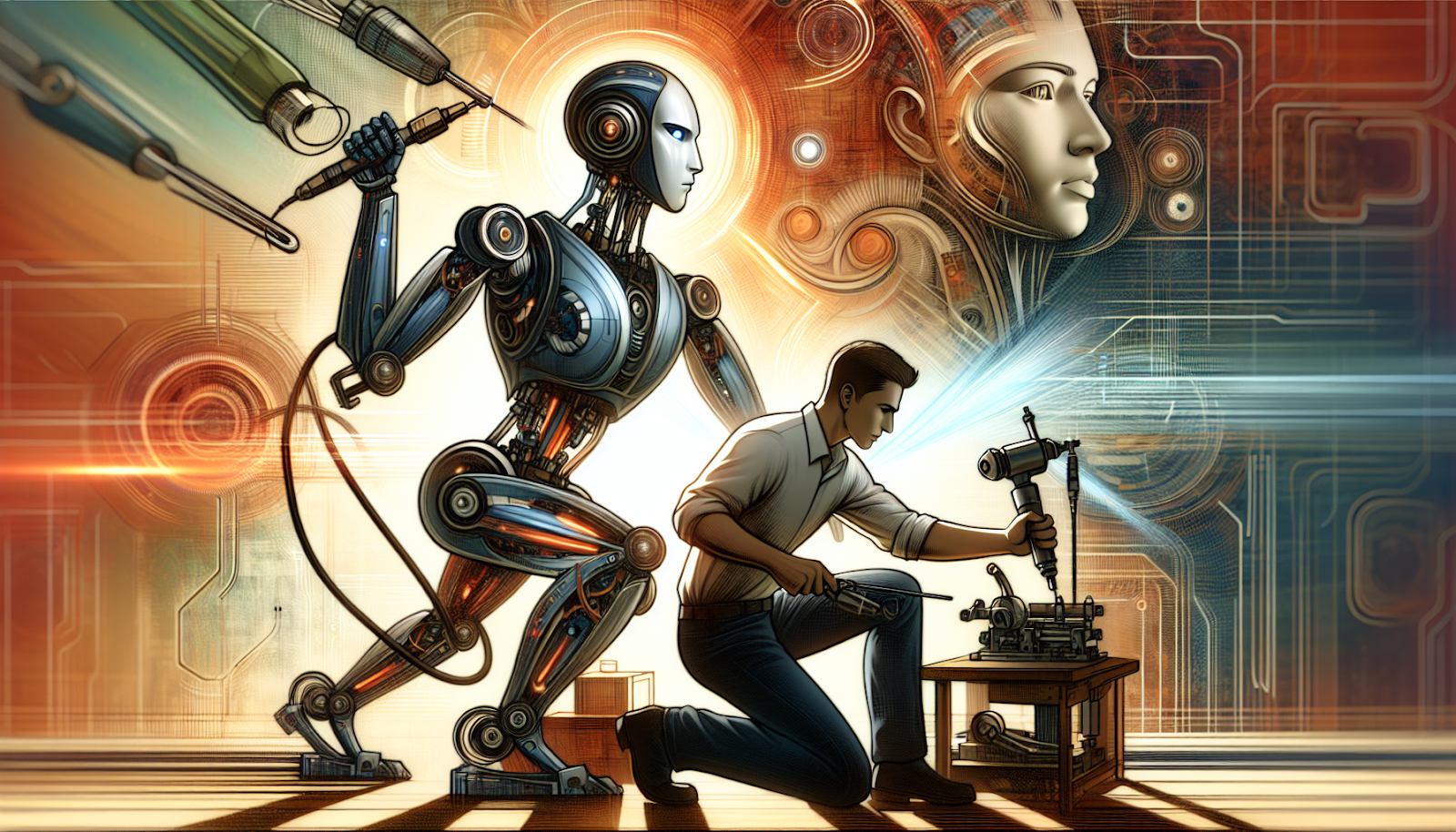

This is Skill #1 for the next decade — no exceptions.
What AI Literacy Means:
-
Understanding how AI tools work
-
Using AI to automate routine tasks
-
Writing effective prompts
-
Knowing ethical and safe AI use
-
Integrating AI into your job or business
Why It Matters:
By 2030, AI will be integrated into:
-
Marketing
-
Healthcare
-
Finance
-
Education
-
Journalism
-
Customer service
-
Software development
AI will not replace humans —
but humans who use AI will replace those who don’t.
Examples of AI Literacy in Real Life:
-
A graphic designer using AI to generate concepts
-
A teacher using AI to prepare lessons
-
A business owner using AI for customer analytics
-
A programmer using AI for debugging
Recommended External Resource:
AI For Everyone (Coursera) — teaches AI basics for ordinary users.
https://velimoza.com/how-to-use-ai-for-study-and-notes-2026/
2. Advanced Digital Skills
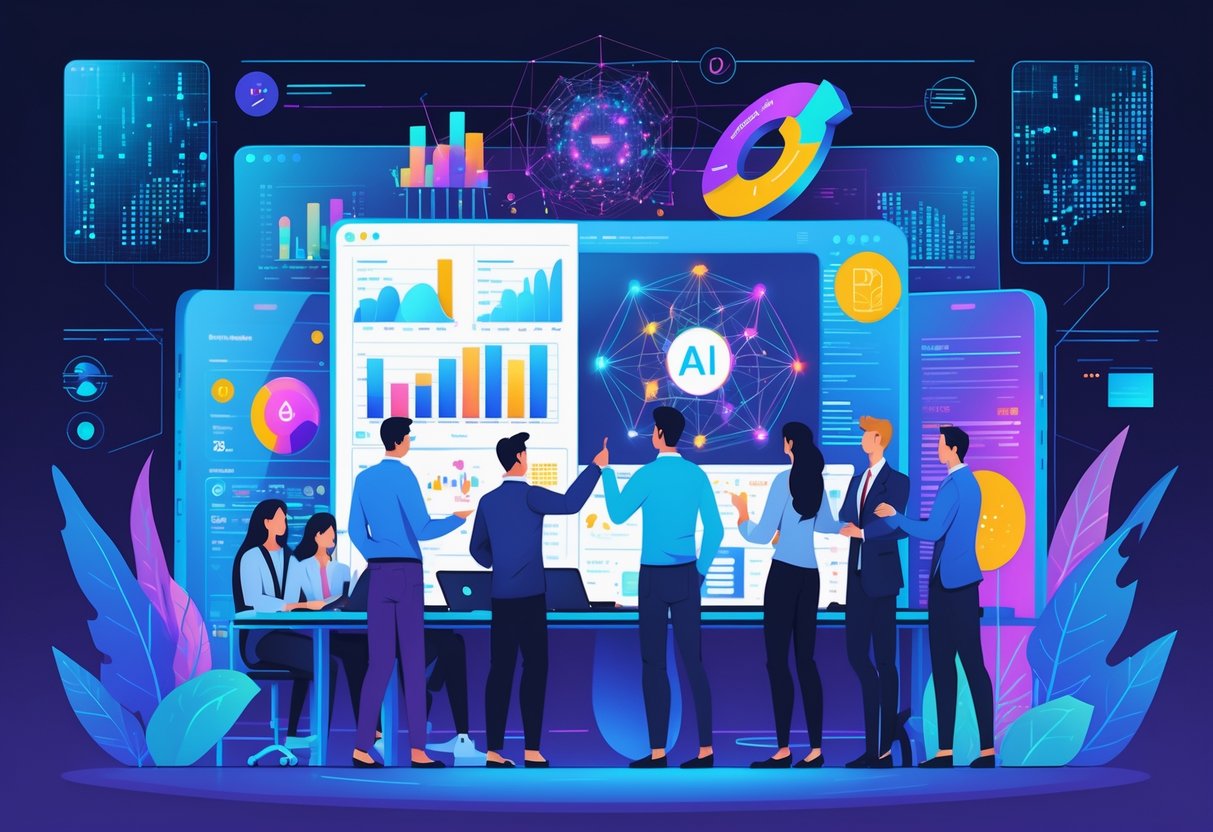
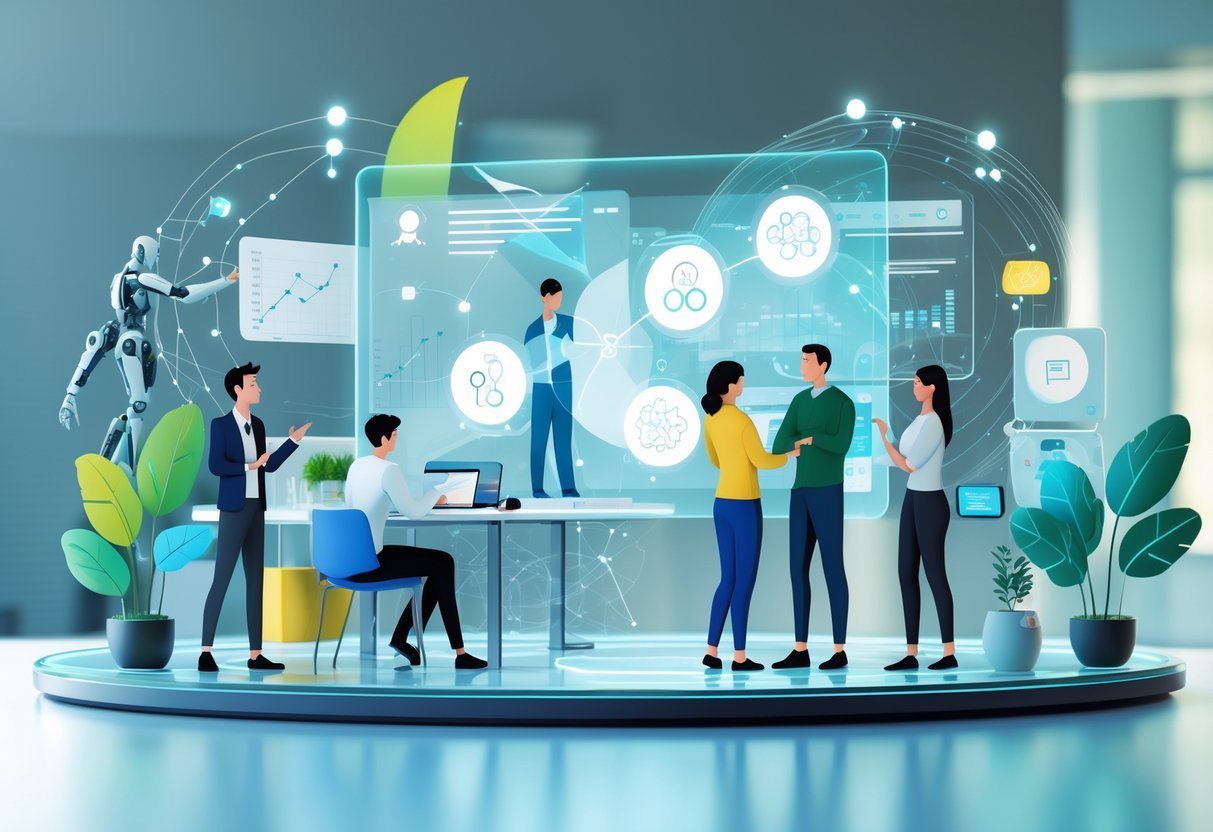
Digital skills are no longer optional — they are required in every industry.
Key Digital Skills Needed Before 2030:
-
Cloud platforms (Google Cloud, AWS)
-
Digital marketing
-
Automation tools (Zapier, Make)
-
Remote collaboration tools
-
App and web fundamentals
-
Basic coding concepts
Why They Matter:
Every company is becoming a digital company, even if it sells physical products.
Future jobs will demand:
-
Fast adoption of new tech
-
Ability to manage digital workflows
-
Comfort with dashboards, analytics, and online systems
Companies prefer people who can learn new tools quickly, not people who resist change.
3. Creativity & Innovation

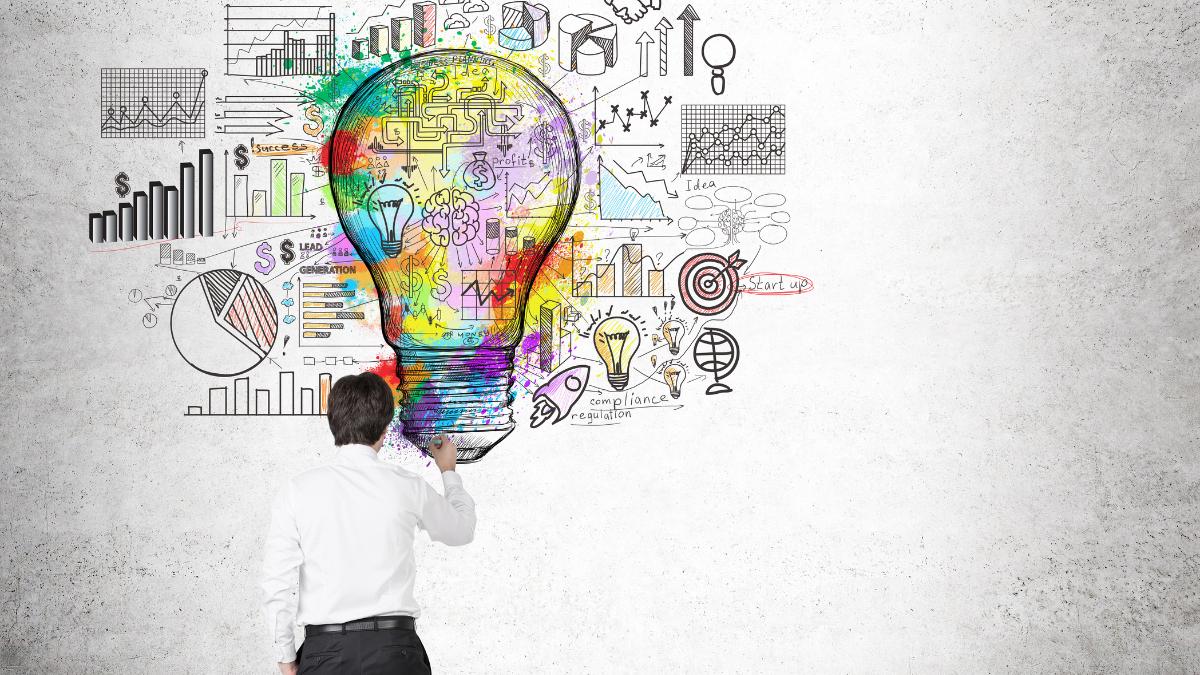
Creativity can’t be automated.
It is now one of the most valuable skills in the world.
What Creativity Includes:
-
Idea generation
-
Innovation
-
Imagination
-
Design thinking
-
Storytelling
-
Visual communication
Why It’s Future-Proof:
AI cannot:
-
Create emotions
-
Understand culture deeply
-
Predict irrational behavior
-
Think beyond patterns
But humans can.
That makes creativity the skill that will define future leaders, creators, and entrepreneurs.
Real Example:
Companies like Apple, Tesla, and Netflix dominate not because of technology alone — but because of creative thinking.
https://velimoza.com/jobs-ai-will-replace-2026/
4. Critical Thinking & Complex Problem-Solving


With information overload, misinformation, and fast decision cycles, critical thinking is essential.
What It Means:
-
Analyzing data
-
Evaluating ideas
-
Breaking down complex issues
-
Spotting risks and opportunities
-
Making strategic decisions
Why It Matters Before 2030:
When AI gives answers, humans must decide:
-
Which answer is correct
-
Which action is ethical
-
What decision benefits the long-term
Critical thinkers will lead companies in the future.
5. Emotional Intelligence (EQ)


EQ is the ability to understand your emotions and the emotions of others.
Why EQ Is the Future:
Automation reduces technical jobs but increases:
-
Leadership
-
Collaboration
-
Communication
-
Relationship building
People with high EQ are better at:
-
Negotiations
-
Customer experience
-
Conflict resolution
-
Team management
EQ is the heart of the future workplace.
6. Adaptability & Continuous Learning
The world will change more between 2025–2030 than it did in the previous 50 years.
So the most valuable skill is simple:
Your ability to learn anything quickly.
Adaptability Means:
-
Being flexible
-
Changing your strategies
-
Trying new tools
-
Updating your skills regularly
-
Staying open-minded
Why It Matters:
Technologies will evolve every year.
People stuck in old systems will fall behind immediately.
7. Global Communication & Cultural Intelligence
By 2030, most teams will have members from:
-
USA
-
India
-
Africa
-
Japan
-
Europe
-
Middle East
You must be able to communicate across cultures.
Skills Needed:
-
Global English proficiency
-
Cross-cultural awareness
-
Remote collaboration
-
Presentation & writing skills
People who can communicate globally will earn higher salaries worldwide.
https://velimoza.com/gemini-ultra-vs-claude-3-5-sonnet-comparison/
8. Data Literacy & Statistical Thinking
Data is the new currency.
What Data Literacy Includes:
-
Understanding metrics
-
Using analytics tools
-
Reading charts
-
Making data-driven decisions
By 2030, nearly all departments — HR, sales, finance, marketing — will rely on data.
9. Cybersecurity Awareness
Cyber attacks will rise sharply by 2030.
Every employee must understand:
-
Password hygiene
-
Phishing risks
-
Basic encryption
-
Protecting digital identity
Cybersecurity is becoming a universal skill — like reading and writing.
10. Leadership in Hybrid & AI-Augmented Teams
Managers must learn how to lead:
-
Remote teams
-
AI-assisted workflows
-
Multi-time-zone operations
Leadership is shifting from controlling employees → empowering them.
11. Entrepreneurial & Growth Mindset
This mindset means:
-
Seeing opportunity in chaos
-
Taking smart risks
-
Solving big problems
-
Learning from failure
-
Innovating constantly
Companies prefer employees who think like owners.
Future Industries That Will Demand These Skills
-
AI & automation
-
Cybersecurity
-
Space tech
-
Renewable energy
-
FinTech
-
HealthTech
-
Robotics
-
EdTech
-
Digital marketing
-
Ecommerce logistics
Step-by-Step Plan to Build These Skills (2025–2030)
Step 1: Build a yearly learning plan
Choose 3 skills to master every year.
Step 2: Learn one AI tool per month
Example: ChatGPT, Midjourney, Claude.
Step 3: Take short certifications
5–10 hour courses work great.
Step 4: Join global communities
Collaboration accelerates growth.
Step 5: Track your progress
Use a skill-growth journal.
Real-World Case Studies
Case Study 1: A Marketer Who Learned AI Skills
Within 8 months, she doubled her income.
Case Study 2: A Freelancer Who Learned Data Analytics
Now works with global clients after 2030-ready skill training.
Case Study 3: A Student Who Focused on Creativity
Became a product designer in a top tech company.
Tools, Websites & Certifications to Learn These Skills
AI & Automation:
-
Coursera — AI For Everyone
-
DeepLearning.ai
Digital Skills:
-
Google Digital Garage
-
LinkedIn Learning
Creativity:
-
Domestika
-
Skillshare
Data Skills:
-
Kaggle
-
Khan Academy
Cybersecurity:
-
TryHackMe
-
Cybrary
External Resources
Conclusion
The world is heading toward a future where technology and human intelligence must work together.
The people who succeed by 2030 will be those who invest in skills that machines cannot replace — creativity, emotional intelligence, adaptability — and skills that allow humans to collaborate with machines — AI literacy, data skills, cybersecurity.
If you start building these skills today, you will be future-proof, globally employable, and highly valuable by 2030.
📌FAQs: Skills You Need Before 2030
1. What are the most important skills needed before 2030?
The most important skills before 2030 include AI literacy, creativity, data literacy, critical thinking, emotional intelligence, adaptability, global communication, digital skills, leadership, and cybersecurity awareness.
2. Why is 2030 considered a turning point for skills and careers?
2030 marks the rise of automation, AI integration, renewable energy dominance, global digital markets, and remote work expansion. These changes will reshape job roles, making new skills essential.
3. Do I need to learn AI even if my job is non-technical?
Yes. AI is becoming part of marketing, sales, healthcare, education, writing, logistics, and creative fields. Basic AI literacy helps you stay productive and relevant in any job.
4. Will automation replace human jobs by 2030?
Automation will replace repetitive jobs, but it will create millions of opportunities for people with digital and future-ready skills. Humans who work with AI will be more valuable than ever.
5. Is creativity still important in the AI era?
Absolutely. Creativity, imagination, and innovation cannot be automated. Creative thinkers will have a major advantage in design, marketing, entrepreneurship, product development, and content creation.
6. What soft skills will matter most in the future workforce?
Emotional intelligence, communication, collaboration, adaptability, leadership, and problem-solving will matter most because they complement technology rather than compete with it.
7. How can I improve my future skills quickly?
Start with micro-courses, learn one new tool per month, practise with AI platforms, join global communities, and build small real-world projects to reinforce your learning.
8. Which industries will demand these skills the most?
AI and automation, cybersecurity, renewable energy, fintech, robotics, health tech, digital marketing, ed-tech, and global ecommerce will require these skills before 2030.
9. Do I need coding knowledge for future jobs?
Basic coding helps, but it’s not mandatory. What matters more is digital literacy, data understanding, AI knowledge, and problem-solving skills.
10. How can students prepare for the future job market?
Students should build skills in AI, data, creativity, communication, adaptability, and digital tools. Internships, online courses, personal projects, and collaborative work help prepare for 2030.